
A patient in pain on mobile data will not wait for your homepage. Speed is the least glamorous and most reliably profitable fix available.
Built for private practices, multi-location dental groups, and specialty clinics.

Measured on real mobile networks
Traffic you already paid for
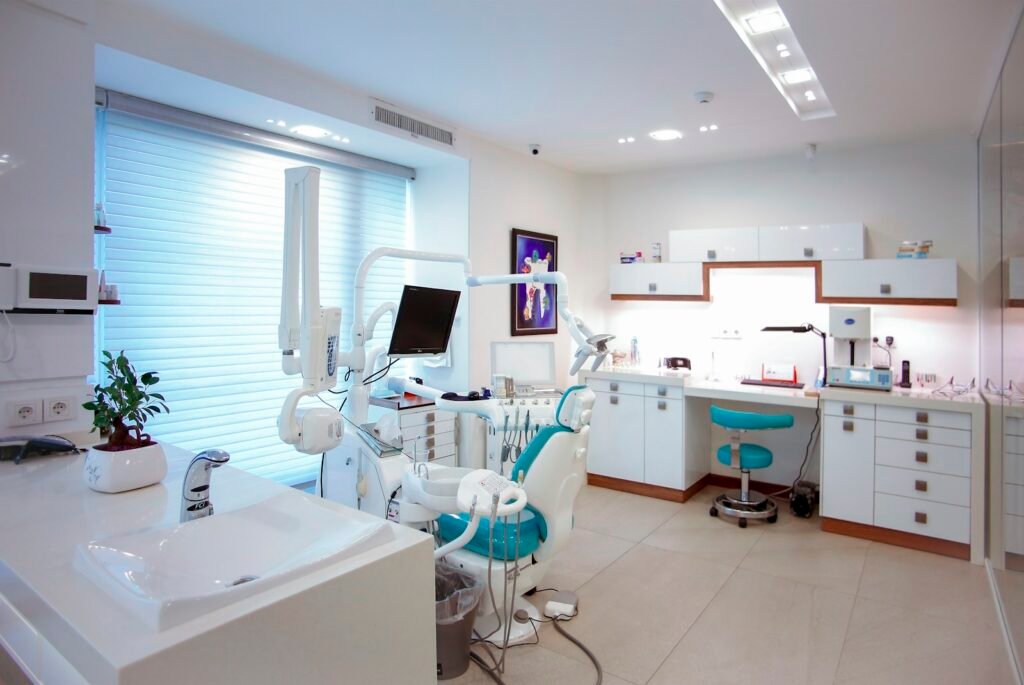
Speed optimization is the work of reducing how long a patient waits before your page becomes usable. Not how long until it finishes loading in the background, but how long until they can read what they came for and tap a phone number.
For dental practices this matters more than for most businesses, because a large share of visitors arrive on a phone, frequently on cellular data, and often while in discomfort. Patience in that state is close to zero, and the practice listed below you is one tap away.
The frustrating part is that most dental sites are slow for entirely fixable reasons: images uploaded at camera resolution, a page builder loading scripts the page never uses, a dozen plugins each adding their own overhead, and hosting that takes too long to respond in the first place.
It improves the return on every other marketing pound without changing a single ranking.
Every additional second before a page becomes usable loses a share of visitors, and they were people already looking for a dentist.
Faster pages convert more of the traffic you already buy through ads and earn through SEO, at no additional acquisition cost.
A site that feels fine on office wifi can be genuinely unusable on a patchy mobile connection in a car park.
Core Web Vitals contribute to how search engines assess your pages, so speed work supports visibility as well as conversion.
Content jumping while loading makes people tap the wrong thing, which on a phone is enough to lose them entirely.
Faster, more relevant landing pages tend to lower cost per click, so speed work pays back twice for practices running ads.
Measured before and after on realistic mobile conditions, so improvement is demonstrated rather than asserted.
We diagnose and fix largest contentful paint, interaction responsiveness and layout shift specifically, rather than chasing a single composite score.
Oversized images compressed and served in modern formats at correct dimensions, which is usually the single largest saving on a dental site.
We identify what each plugin and third party script actually costs in load time, then remove or defer what is not earning its place.
Server response times, caching configuration and delivery reviewed, because no amount of front end work compensates for a slow origin.
Custom fonts and blocking resources handled so text appears quickly rather than after a blank pause.
Baseline and post work measurements on real mobile conditions, with enquiry data where tracking supports it.
Measure, fix in order of impact, then prove the change.
We record current performance on realistic mobile connections rather than on a fast desktop.
We identify what is actually costing time, which is frequently not what a generic report suggests.
Changes are applied in stages and tested, so nothing breaks for patients mid way.
We prove the improvement, then watch for regression as the site changes over time.
Speed reports produce a number, and the number is the least useful part. A site scoring poorly may be perfectly usable, and a site scoring well may still feel slow on the connection your patients actually have. What matters is how long someone waits before they can read and act.
That is why we measure on throttled mobile conditions rather than on a fast connection, and why we concentrate on the specific metrics that describe the experience rather than on a composite score designed to be shareable.
The most common cause of a slow dental site is photographs uploaded straight from a camera or phone at full resolution, then displayed at a fraction of that size. The browser downloads every pixel regardless.
Compressing images properly, serving modern formats and sizing them for their actual display dimensions frequently cuts page weight dramatically. It is unglamorous, requires no redesign, and is usually the first thing we do because the effect is immediate.

Dental sites accumulate plugins: a booking widget, a review slider, a chat popup, a form builder, an analytics add on, a cookie notice. Each loads its own scripts and styles on every page, including pages that never use it.
Auditing what each one costs against what it delivers usually finds several that can go, and several more that only need to load where they are actually used. This is careful work rather than dramatic work, and it compounds.
Cumulative layout shift is the metric that corresponds to real irritation. Content jumps as images and banners load, and the button someone was about to tap moves. On a phone this produces mistaps and, quite reasonably, people leave.
Reserving space for images and embedded elements fixes most of it. It is straightforward, rarely done, and immediately noticeable to anyone using the site.
Speed is a component of broader technical health, covered on our technical SEO page, and it overlaps heavily with mobile experience, covered on our mobile optimization page.
Its real value is as a multiplier: it raises the return on every channel sending visitors to your site. If you want to know how your site performs on a realistic mobile connection, get in touch and we will measure it.
We will measure it on a realistic mobile connection and show you exactly what is costing you the time.

Speed work attracts vague claims and cherry picked scores. Everything we do is measured before and after on the same basis.
We optimise dental sites specifically and know which elements, such as galleries and booking widgets, cause most of the weight.
Every fix is explained with the measurement that justified it, so nothing needs to be taken on trust.
We follow documented performance guidance and measure the metrics search engines actually use rather than a marketing score.
We report the metrics that did not improve alongside those that did, and we will tell you when the remaining gains are not worth the cost.
What practice owners ask about site performance.
Ask us anything about your site speed or what is slowing it down.
Fast enough that a patient on mobile data can read the page and tap a phone number without waiting. In practice we aim for the main content appearing within about two and a half seconds on a throttled mobile connection, which is the threshold search engines treat as good. Chasing a perfect score beyond that usually costs more than it returns, and we would rather spend the remaining budget on something with a clearer payback.
It contributes, but it is not a magic lever. Page experience is one of many ranking signals, and a fast page with thin content will still not outrank a slower page that answers the question better. Where speed reliably helps is conversion: keeping more of the visitors you already attract. We treat ranking improvement as a welcome secondary effect rather than the main justification.
Usually not. Most dental sites can be improved substantially in place through image optimization, plugin auditing, caching and deferring scripts. A rebuild is only justified when the underlying theme or builder makes those fixes impossible, which does happen but less often than agencies suggest. We would show you the measurements behind that recommendation rather than simply asserting it.
Because most scores are measured on a fast connection and a powerful machine. Your patients are on phones, often on cellular data, sometimes with an older device. We measure under throttled conditions that approximate that reality, which frequently produces a very different and more useful picture than a headline score run from a desktop.
They contribute, because they tend to load styles and scripts for features a given page never uses. That said, a carefully built site on a page builder can perform perfectly acceptably, and a badly built custom site can be slow. The problem is usually accumulation rather than the tool itself, which is why we audit what is actually loading rather than blaming the platform.
It varies with how slow the site is now and how much traffic it receives. A practice losing visitors on a four second mobile load will see a clearer effect than one already at two seconds. We measure enquiries before and after where tracking allows, and we are careful to describe the relationship as improvement in conversion rather than promising a specific percentage.
It can if applied carelessly, particularly aggressive script deferral or over enthusiastic caching, which can break booking widgets and forms. We stage changes and test the things that matter, especially contact forms and any booking integration, before and after each change. Anything that risks a patient facing function is verified explicitly rather than assumed.
Yes, and it sets a floor no front end work can get beneath. If your server takes a second to begin responding, the fastest possible page still starts a second late. Cheap shared hosting is a common constraint on dental sites. We measure server response separately so you can see whether hosting is genuinely the limitation or simply a convenient thing to blame.
Galleries are frequently the heaviest thing on a dental site, and they matter commercially, so removing them is not the answer. The fix is proper compression, modern formats, correct dimensions and lazy loading below the fold, which keeps the visual quality while removing most of the weight. Cosmetic and implant practices usually see the largest gains here.
By recording baseline measurements under specific conditions, then repeating exactly the same measurement afterwards. You receive both, so the comparison is verifiable rather than a claim. Where enquiry tracking exists we also look at whether conversion moved, while being clear about which effects are directly measured and which are reasonable inference.
Send us your details and we will measure your site on a realistic mobile connection, then come back with exactly what is costing you load time and visitors.

Tell us about your practice and your current website.