
Patients read your reviews before they ever call. We help you earn more recent, genuine ones and respond well to the ones you would rather not have received.
Built for private practices, multi-location dental groups, and specialty clinics.

A steady, ethical flow
What patients see before calling
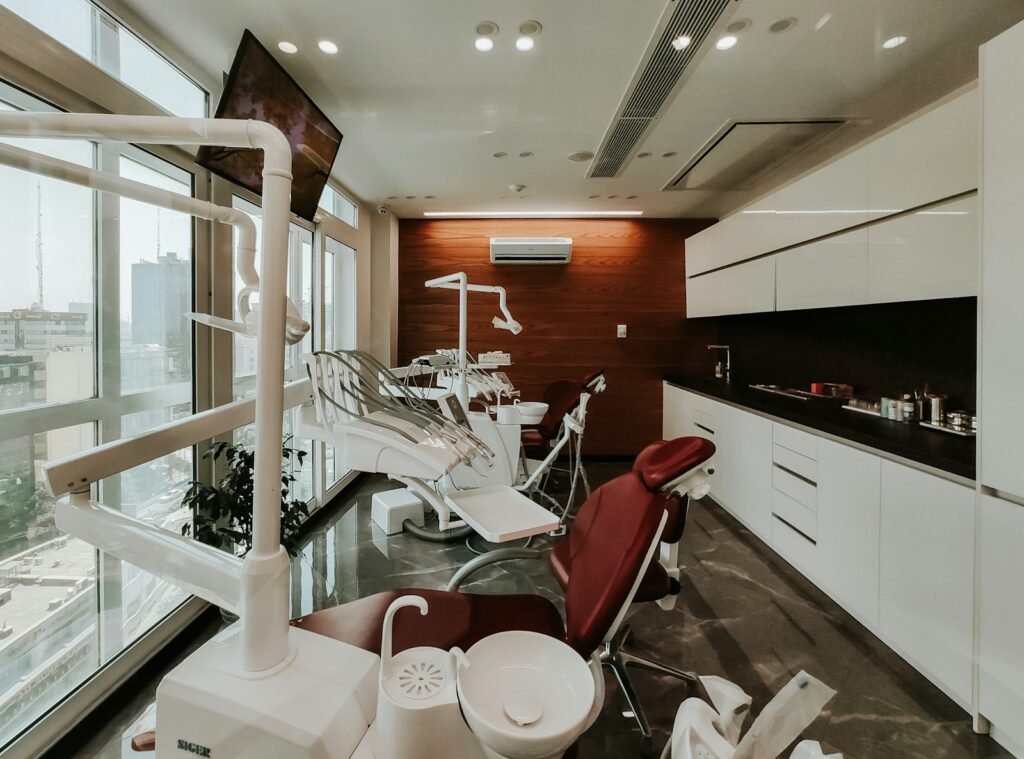
Reputation management is the work of making sure what patients find when they check you out reflects the practice you actually run. For most dental practices that means reviews, because reviews are what appear beside your name in search results, on your Google Business Profile and increasingly inside AI generated summaries.
It is not about hiding criticism or manufacturing praise. It is about making sure the many satisfied patients who never think to leave a review are given an easy opportunity, and that the occasional unhappy one receives a response that reassures everyone reading later.
The practices that struggle are rarely the ones with bad reviews. They are the ones with too few recent reviews, so a single negative comment from eighteen months ago dominates the impression. Volume and recency are the most reliable protection there is.
Between finding you and phoning you, almost every patient checks what other people said. That moment decides more bookings than most marketing does.
A patient who has found you still has to choose you. The review panel is usually the last thing they look at before deciding.
Volume, recency and response rate contribute to how prominently your practice appears in the map results, not only to how it is perceived.
A profile whose last review is two years old reads as a practice that may have declined, regardless of the average score.
Assistants describing your practice tend to paraphrase the aggregate tone of reviews rather than quoting your website.
Your reply to criticism is often more persuasive than the complaint itself, because it shows how the practice behaves under pressure.
Many dental patients are nervous. Evidence that other people were treated kindly does more to convert them than any offer.
A sustainable system your team can actually run, rather than a campaign that fades after a month.
We build a request process around the natural moments patients are happiest, with direct links that remove friction, and never any incentive that would breach platform rules.
Timely, professional replies to every review, written to reassure future readers while respecting the confidentiality obligations that apply in healthcare.
Alerts across the platforms your patients actually consult, so nothing sits unanswered for weeks and problems surface while they can still be resolved.
A calm, consistent approach to criticism, including when to reply publicly, when to move offline and when a review genuinely breaches platform policy.
Correct details wherever your practice appears, because conflicting information undermines trust and weakens the local signals reviews support.
Review volume, recency, rating movement and response rate tracked over time, alongside the effect on calls and enquiries.
Start from where you are, then make the habit sustainable for the team.
We review your current profile across platforms, including volume, recency, sentiment and response history.
We work out the natural moments to ask and give the team simple tools that fit around clinical work.
Replies are drafted and monitored so nothing is missed, including the difficult ones.
We report on volume, recency and rating trends, adjusting the process where it is not being used.
There is a version of reputation management that consists of burying criticism and buying praise. It is worth saying plainly that we do not do that, and not only for ethical reasons. Platforms detect and remove purchased reviews, incentivised reviews breach policy, and patients are considerably better at spotting fake enthusiasm than the people commissioning it assume.
The version that works is slower and duller. Ask consistently. Make it easy. Reply to everything. Fix the operational problems that generate genuine complaints. Practices that do this steadily end up with a profile no competitor can fake.
When a practice tells us its reputation is a problem, the profile is rarely full of angry reviews. Far more often there are eleven reviews, nine of them positive, the most recent from last year, and one detailed complaint sitting near the top because there is nothing more recent to displace it.
The fix is not to fight that review. It is to build enough recent, genuine feedback that it becomes one data point among many, which is also what a fair reader would want.

Most review requests fail because they are inconvenient rather than because patients are unwilling. The window matters: a patient who has just been reassured about something they were dreading is receptive, and that feeling fades within hours.
What works is a small, repeatable habit. One person responsible, a direct link that opens the right form on a phone, a short message sent the same day, and no incentive attached. Practices that make it part of the routine consistently outperform those that run occasional pushes.
Dental practices face a constraint most businesses do not. You cannot discuss a patient publicly, cannot confirm whether someone is a patient, and cannot correct factual errors about their treatment in a public reply. That makes the instinct to set the record straight both understandable and unwise.
The response that works acknowledges the experience, avoids any clinical detail, states the practice takes it seriously and offers a direct route to resolve it offline. Future readers are the real audience, and they are judging your composure rather than adjudicating the dispute.
Reviews are unusual in that they affect visibility and conversion simultaneously. They feed local ranking, they influence how AI assistants describe your practice, and they decide whether someone who has already found you picks up the phone.
That is why we treat this alongside Google Business Profile optimization and local SEO rather than as a separate exercise. If you would like an honest read on how your practice currently looks to a prospective patient, get in touch.
We will review your reviews across platforms and show you what a prospective patient sees before calling.

Reputation work in healthcare carries real obligations. Everything we do respects platform policy and patient confidentiality, because shortcuts here damage the practice far more than they help.
We work with dental teams daily and design request processes that survive contact with a busy clinical schedule.
Responses are written with awareness of the confidentiality constraints that apply to healthcare providers, not generic templates.
Genuine, recent reviews and consistent listings build the kind of standing that platforms are designed to reward.
We never buy, incentivise or fabricate reviews, and we will not suppress legitimate criticism. Both practices carry real risk to your practice.
What practice owners ask about reviews and patient perception.
Ask us anything about reviews, responses or handling criticism.
Only if it genuinely breaches platform policy, for example if it contains abuse, is clearly fake, or comes from someone who was never a patient. In those cases it can be reported, though removal is never guaranteed and platforms are conservative. Legitimate criticism cannot and should not be removed. The far more reliable strategy is building enough recent positive feedback that any single negative review sits in proper context, which is also how a fair reader would assess you.
Yes, and it is expected. What matters is how. Asking every patient consistently, at a natural moment, with no incentive attached, is entirely legitimate. What breaches platform policy is offering discounts, entries into prize draws or any other benefit in exchange, and selectively asking only patients you expect to be positive. The first approach builds a durable profile. The second risks removal of reviews and damage to trust.
There is no target number, and any agency quoting one is guessing. What matters more is recency and consistency. A practice adding a few genuine reviews every month looks considerably healthier than one with a large total that stopped eighteen months ago. As a rough guide, look at the practices ranking above you locally and aim to match their recent activity rather than their lifetime count.
This is genuinely difficult in healthcare, because you cannot correct the record publicly without discussing a patient. The recommended approach is a calm public reply that acknowledges the concern, avoids any clinical detail or confirmation of whether they are a patient, and offers to resolve it directly. Future readers understand that a measured response from a practice bound by confidentiality is not the same as an admission.
Yes, briefly. Responding to everything signals an engaged practice and contributes to response rate, which platforms note. Keep replies short, specific and free of clinical detail. Avoid copying the same sentence onto every review, as strings of identical replies read as automated and undermine the impression you are trying to create. A short human sentence is enough.
Google is the most important by a wide margin, because it feeds both the map results and what appears beside your name in search. Beyond that, the platforms that matter depend on your area and patient mix, and may include health specific directories and social platforms. We focus effort where your patients actually look rather than spreading requests thinly across every site that exists.
Each location needs its own profile and its own review flow, because reviews attach to a specific listing. Groups frequently make the mistake of directing all requests to one profile, which leaves other locations looking inactive. We set up per location processes and report separately, so you can see which sites are building well and which need attention from the team on the ground.
Yes. Review volume, recency and response activity contribute to local prominence, which is one of the factors determining map pack ranking alongside relevance and distance. They are not the only factor and cannot compensate for a poorly configured profile or a practice located far from the searcher, but among the things you can influence they are one of the more powerful.
First we look for an operational cause, because a cluster usually reflects something real such as a staffing change, a scheduling problem or a new process patients dislike. Marketing cannot fix an operational issue and pretending otherwise wastes your money. We would help you respond appropriately, identify the pattern, and rebuild recency once the underlying cause has been addressed.
We can draft them for your approval, or provide a framework your team uses directly, whichever fits how you work. For anything sensitive we recommend a named person at the practice reviews the wording before it is published, since they hold the context we do not. The aim is replies that sound like your practice rather than like an agency template.
Send us your details and we will review your reviews across the platforms patients actually check, then come back with what is shaping their first impression.

Tell us about your practice and we will come back with an honest read on how you look today.