
Most endodontic patients arrive frightened, in pain, and convinced root canal treatment is agony. Content that corrects that belief wins the case.
For endodontic practices and specialists accepting direct and referred patients.
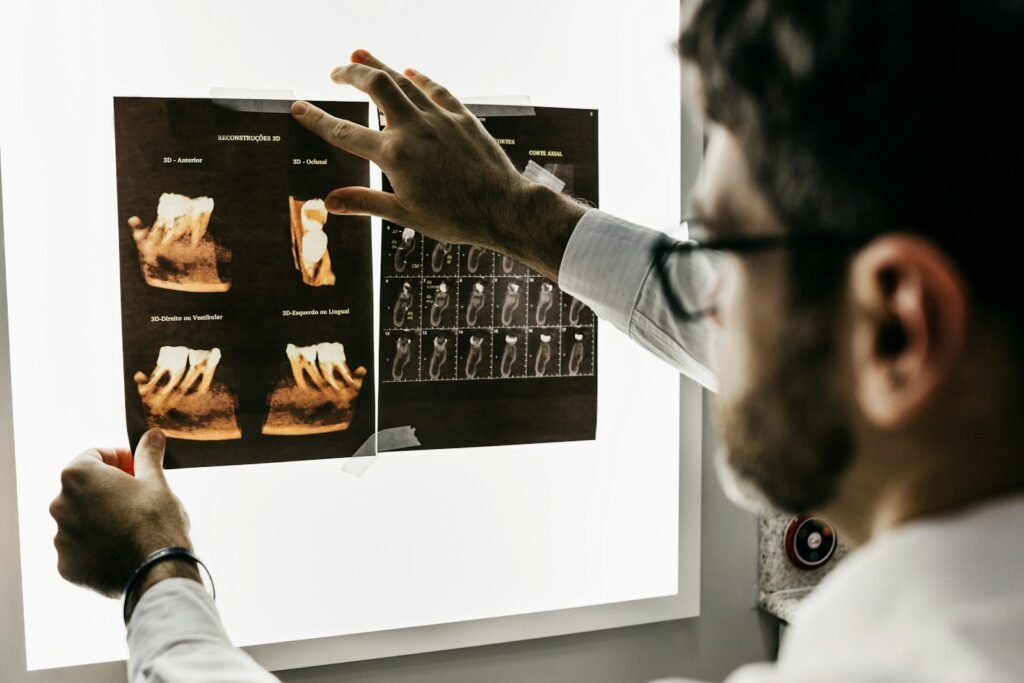
Both channels served
The main barrier to booking

Endodontic marketing is unusual because the treatment has a reputation problem. Root canal treatment is a byword for pain in ordinary speech, despite modern endodontics being routinely comfortable. A large share of the marketing task is simply correcting that belief before someone will book.
The audience also splits. Some patients are referred by their general dentist and are researching you specifically. Others are in acute pain, searching for a root canal specialist directly and choosing quickly.
Endodontic content that leads with microscopes and rotary instrumentation misses the point. The patient does not care about the equipment except insofar as it means the treatment will not hurt and the tooth will be saved.
Fear, pain and a referral pathway combine to create a very specific set of search behaviours.
Root canal treatment carries a reputation for pain that deters people who need it. Addressing this is the single highest value content task.
Pain driven searches convert quickly, which makes urgent visibility valuable in the same way it is for emergency dentistry.
General dentists refer complex cases, and they search too. Content addressed to them is almost always missing.
Patients weigh treatment against extraction, so content comparing the two honestly earns considerable trust.
Microscopes and modern techniques matter to patients only when translated into comfort and success rates.
Someone in pain with a referral in hand is choosing within days, not comparing for months.
Built around the fear, the pain and the referral pathway that define this specialty.
Honest explanation of what root canal treatment actually involves, including anaesthesia and what patients genuinely report, since fear is the main obstacle.
Optimization for pain driven searches such as root canal specialist near me, plus local and map visibility for those choosing quickly.
Content for referring general dentists covering case types accepted, communication and how patients are returned after treatment.
Honest comparison of root canal treatment against extraction and replacement, including when extraction is the better option.
Microscopes, CBCT and modern techniques explained in terms of comfort and outcome rather than as a specification list.
Encouraging reviews that speak to the experience of treatment, since that is precisely what anxious patients are looking for.
Address the fear, capture the urgency, serve the referrers.
We establish your split between referred and direct patients and what each currently finds.
Pages addressing pain, process and outcome honestly, written for clinical review.
Local and map visibility optimised for pain driven, fast converting searches.
Referral content published and made findable by general practices seeking a specialist.
No other dental treatment carries the cultural baggage of root canal therapy. It is used as a figure of speech for something unbearable. Endodontists know that modern treatment is routinely comfortable, and patients frequently report the procedure was easier than the toothache that preceded it, but almost nothing on the average endodontic website says so plainly.
That gap is the opportunity. Content that directly confronts the fear, rather than describing equipment, reaches people who have been avoiding treatment and are now in enough pain to reconsider.
Vague reassurance that treatment is comfortable does not work, because the patient has heard the opposite their whole life. What works is specificity: how anaesthesia is administered, what they will feel, how long it takes, what the following days involve, and what patients commonly say afterwards.
This content converts unusually well relative to its traffic, because it reaches people at the exact moment they are deciding whether to go through with it.

Most patients facing endodontic treatment are implicitly weighing it against having the tooth removed, often on cost grounds. Content that compares the two honestly, including the longer term cost of replacing an extracted tooth and the cases where extraction genuinely is the better option, builds considerable trust.
Acknowledging when your own specialty is not the answer is one of the strongest credibility signals available, and it tends to increase rather than reduce appropriate enquiries.
A substantial share of endodontic cases arrive by referral, yet almost no specialist websites contain anything written for the referring practitioner. A general dentist looking for a specialist for a difficult case wants to know which cases you take, whether you handle retreatment, how you communicate and when the patient returns to them.
Publishing that is straightforward, and it addresses an audience your competitors are almost certainly ignoring.
Because many endodontic patients arrive in pain, this work overlaps with emergency dental SEO, particularly around map visibility and fast loading pages.
For patients whose barrier is anxiety rather than pain, our sedation dentistry marketing page covers a related audience. To see how your practice currently appears to anxious and referred patients, get in touch.
We will review how your site addresses fear, urgency and referrals, then show you what is missing.
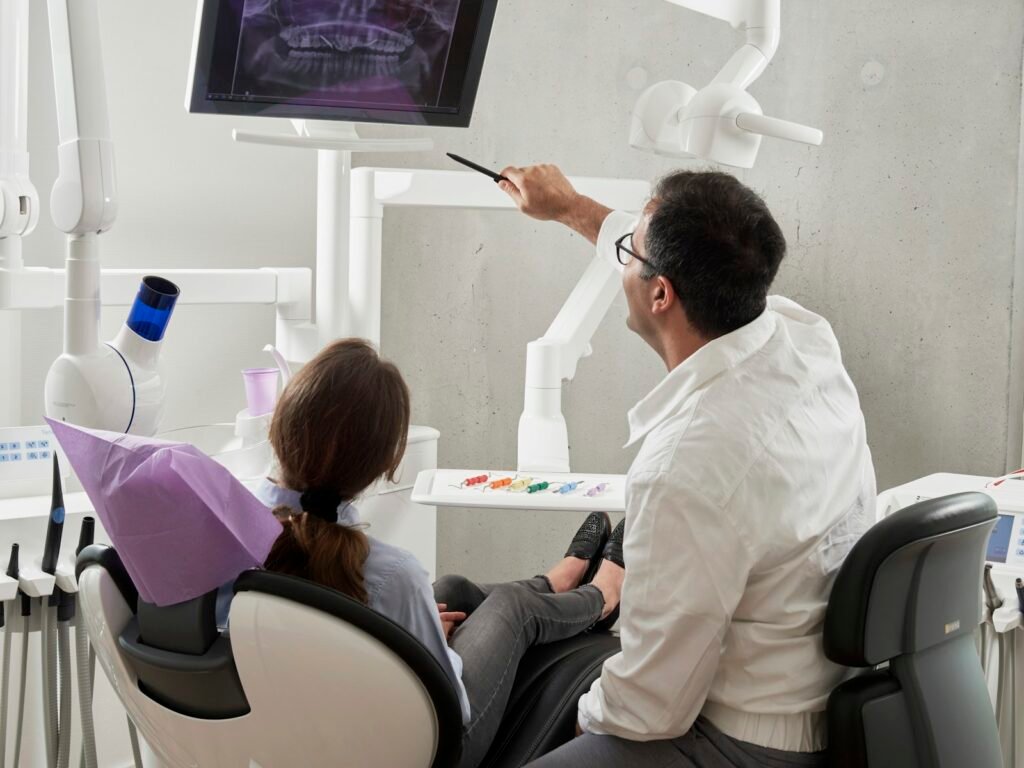
Content describing surgical treatment and pain expectations must be accurate. Overstating comfort damages trust when reality differs.
Content reflects the techniques, anaesthesia protocols and equipment your practice actually uses rather than generic descriptions.
Everything describing sensation, recovery or success rates is written for review and approval by your endodontists.
Specialist training, case volume and retreatment capability are made visible, which matters to referring dentists as much as to patients.
We describe discomfort honestly rather than promising painless treatment, because a patient whose experience contradicts the promise loses trust entirely.
What endodontic practices ask about search visibility.
Ask us anything about reaching anxious or referred patients.
Yes, for two reasons. Referred patients still research you before attending, and what they find affects whether they follow through or ask for a different referral. Second, direct searches for root canal specialists are growing as patients become more willing to seek specialists themselves. Relying entirely on referral also leaves you exposed if a referring practice changes hands or begins treating cases in house.
Directly and specifically. Vague reassurance fails because patients have heard the opposite their whole lives. What works is describing exactly what happens: how anaesthesia is given, what they will and will not feel, how long it takes, and what the following days are like. Including what patients commonly report afterwards is more persuasive than any claim the practice makes about itself.
Yes, and it builds more trust than avoiding the topic. Patients are already weighing it, usually on cost. Explaining the trade offs honestly, including the longer term cost of replacing an extracted tooth and the cases where extraction is genuinely better, signals clinical judgement. Acknowledging when your specialty is not the answer tends to increase appropriate enquiries rather than reduce them.
By publishing content addressed to referring dentists, which almost no specialist site does. They want to know which case types you accept, whether you handle retreatment and surgical cases, how you communicate during treatment and when the patient returns to their care. That page is searchable, straightforward to write and addresses an audience your competitors are ignoring.
Many do. A patient with acute pulpal pain who has been told they need root canal treatment often searches immediately and chooses within days. That makes local and map visibility important in the same way it is for emergency dentistry, and it makes page speed matter, since someone in pain will not wait for a slow site to load.
Yes, but translated. Patients do not care about magnification levels in themselves. They care that better visibility means a more thorough treatment and a better chance of saving the tooth. Equipment described as a specification list reads as marketing. Equipment explained in terms of comfort and outcome reads as competence.
Very, and the content of them matters more than the count. An anxious patient is looking specifically for other people saying the treatment was more comfortable than expected. Encouraging patients to mention their experience of the procedure produces reviews that do far more persuasive work than a higher volume of generic ones.
Yes, if you offer them. Patients searching for root canal retreatment or apicoectomy are further along and more specific, often having had a previous treatment fail. Those searches are less contested and highly qualified. Combining everything into one endodontics page means ranking poorly for all of them and failing to address quite different concerns.
Often faster than general dental SEO, because specialist terms are less contested than broad treatment searches. Local visibility can improve within weeks. Content addressing anxiety and comparison takes a few months to establish. The pain driven urgency of much of this audience also means visibility converts more quickly once achieved.
Yes, at least in ranges and in comparison with the alternatives. Cost is a common reason patients choose extraction over treatment, frequently without understanding the longer term expense of replacement. Explaining the comparison honestly helps patients make an informed decision and tends to produce better qualified enquiries from people who have already accepted the investment.
Send us your details and we will review how your site addresses fear, urgency and referral, then come back with what is costing you cases.

Tell us about your case mix and referral sources.