Emergency patients decide in minutes and call the first practice that looks open and reachable. These campaigns are won on availability, not persuasion.
For practices with genuine same day capacity and someone to answer the phone.
Patients who book within the hour
Capacity matched to spend
Emergency dental advertising is the most time compressed campaign type in dentistry. Someone in pain searches, scans the first two or three results, and calls whichever practice appears open and answers. The entire decision can take under a minute.
That changes what the campaign optimises for. Persuasion barely matters. Availability, proximity, speed of the landing page and whether the phone is answered decide the outcome, which makes this as much an operational question as a marketing one.
This is also the campaign type where advertising beyond your capacity does most damage. Paying for a call you cannot answer produces a frustrated patient who found you specifically because they were in pain, and those experiences end up in reviews.
No other dental search has this combination of urgency, intent and willingness to act immediately.
There is no research phase. The patient wants relief and will take the first credible option available.
Almost nobody fills in a contact form with acute toothache. Campaigns must be built around calling.
A patient in pain will not drive far. A tight radius performs better than broad reach.
Same day appointments, open now and how quickly you can see them outrank any other selling point.
A patient treated well in pain frequently transfers their routine care, so lifetime value exceeds the single visit.
Many practices pause ads outside standard times, which creates opportunity if you genuinely have cover.
Built around when you can actually see patients, because spend beyond capacity harms the practice.
Ads run when you can genuinely offer an appointment and someone will answer, rather than continuously.
Call extensions and call focused ads so the phone number is the primary action rather than a secondary link.
A realistic travel radius for someone in pain, which is usually far smaller than practices assume.
If a click does land on the site, the page loads immediately and shows availability and the phone number without scrolling.
Excluding searches for dental hospitals, out of hours NHS services and information seekers who will never book.
We look at what happens when the phone rings, because unanswered calls are the most expensive failure in this campaign type.
Establish real capacity first, then buy only the demand you can serve.
We establish when you can genuinely see an emergency patient and who answers the phone.
Campaigns, extensions and pages are structured so calling is the obvious action.
We start with a small radius and strict negatives, then widen only where calls are being answered.
We track answered versus missed calls and adjust scheduling to match reality.
Emergency dental campaigns are unusual because the marketing is the easy part. Getting the ad in front of someone with toothache is straightforward, and the click through rates are typically excellent. The difficulty is entirely operational: can you see them, and will the phone be answered.
We have reviewed accounts spending steadily on emergency terms where a substantial share of calls went unanswered, usually at lunchtime or in the last hour of the day. Every one of those was a patient in pain who called a competitor thirty seconds later.
Standard dental ad copy talks about experience, technology and gentle care. None of that is what an emergency searcher is scanning for. They want to know whether you can see them today, how soon, and what it will cost.
Ads that lead with same day availability and a visible phone number consistently outperform ads describing the practice, because they answer the only question the patient currently has.
Practices frequently set a wide radius on emergency campaigns hoping for more calls. It usually produces more clicks and fewer appointments, because someone in pain twelve miles away will find something closer before they reach you.
A tighter radius concentrates budget on people who will realistically travel, which lowers cost per booked patient even though it reduces raw traffic. This is one of the clearest cases where fewer clicks means better results.
Because almost all emergency conversions are calls, call tracking is not optional here, it is the entire measurement system. Without it you cannot tell whether the campaign is producing patients or simply producing rings.
We also look at answer rates and missed calls by time of day, since that frequently reveals that the campaign is fine and the scheduling is wrong. Fixing that costs nothing and usually improves results more than any bidding change.
Emergency terms are also worth pursuing organically, since ads stop when the budget does. Our emergency dentist SEO page covers that, and your Google Business Profile matters enormously here because emergency searchers often call straight from the map listing.
If you have genuine same day capacity and want to fill it, get in touch and we will look at what is realistic in your area.
We will review your emergency campaigns, scheduling and call handling, then show you what is being missed.
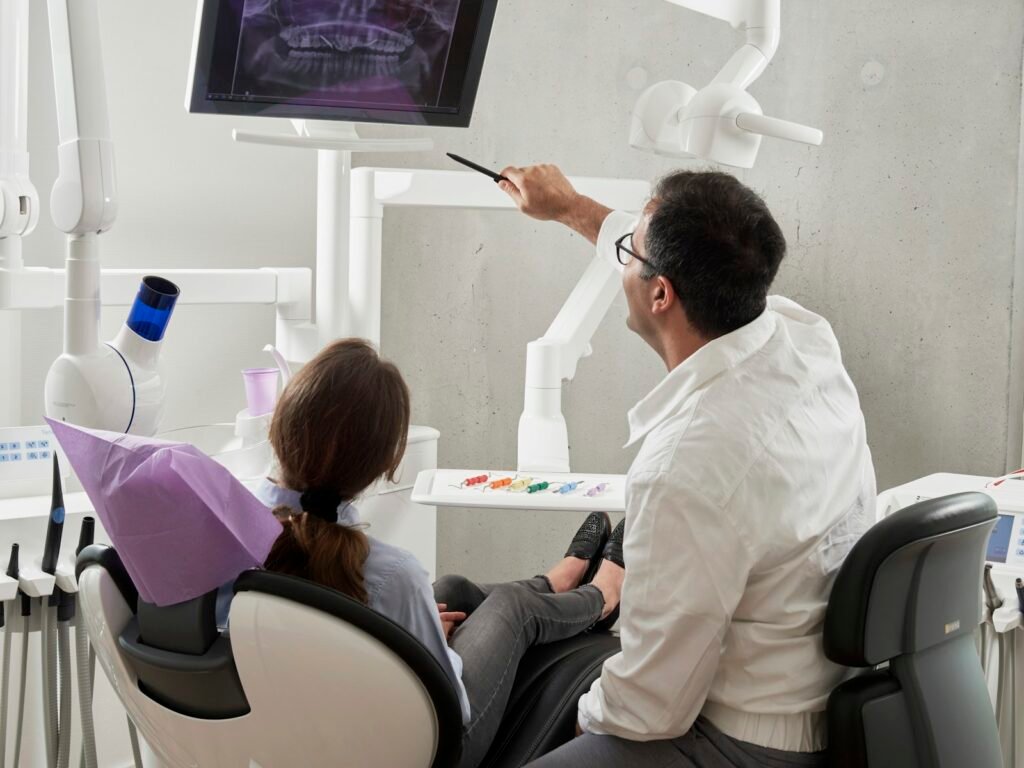
Emergency advertising reaches people in pain and distress. That places real obligations on what is promised.
We build these campaigns around your actual clinical capacity, established in conversation rather than assumed from a brief.
Ad copy about availability and timing is agreed with your team so nothing promises an appointment you cannot deliver.
Campaigns follow platform healthcare advertising policy and avoid claims about pain relief that cannot be substantiated.
We will recommend reducing or pausing spend when calls are going unanswered, because an unanswered emergency call damages the practice more than the click cost.
What practices ask before advertising for urgent care.
Ask us anything about emergency campaigns or same day capacity.
Only if someone genuinely answers and you can see the patient. Out of hours competition is thinner, which is a real opportunity, but paying for calls that ring out is worse than not advertising at all. Some practices use an answering service to book same day appointments for the following morning, which works provided the ad copy is honest about timing rather than implying immediate treatment.
Usually tighter than expected. Someone with acute toothache will take the nearest practice that can see them, so a wide radius mostly buys clicks from people who will call somewhere closer. We normally start tight, confirm calls are converting and being answered, then widen carefully. Radius is one of the few settings where reducing reach reliably improves cost per patient.
Common causes are targeting too wide, the landing page being slow or burying the number, and search terms that are informational rather than urgent. Searches about what to do for toothache at home are not booking intent and should be excluded. Search term review usually identifies the leak within the first fortnight if anyone is looking.
Frequently yes, and it changes the economics considerably. A patient seen quickly and treated well while in pain often transfers their routine care, so the value extends well beyond the single visit. That justifies a higher cost per acquisition than the emergency appointment alone would support, provided the experience is good enough to earn the transfer.
Lead with availability and timing, because that is the only question the searcher currently has. Same day appointments, how quickly you can see them, and a visible phone number outperform descriptions of your technology or team. Cost information helps too, since many people delay emergency treatment specifically because they fear an unpredictable bill.
It helps considerably. A general homepage forces someone in pain to hunt for the relevant information. A single purpose page showing availability, the phone number, location and rough cost, loading almost instantly, converts far better. It does not need to be elaborate, and simplicity is an advantage here rather than a compromise.
First by scheduling ads only when you can answer, which solves most of it. Beyond that, an answering service that can genuinely book appointments is far better than voicemail, since someone in pain will not leave a message. What we would avoid is advertising continuously and accepting a high miss rate, because those callers frequently leave reviews about not being able to reach you.
Cost per click is moderate compared with implants or cosmetic terms, and conversion rates are typically much higher because intent is immediate. That combination often makes it among the more efficient dental campaigns. The economics only break down when calls go unanswered or the radius is too wide, both of which are fixable without spending more.
Yes, and many practices do, increasing spend during holiday periods when other practices close and demand concentrates. The control paid search offers suits this well. What matters is confirming your own cover before increasing spend, since holiday periods are exactly when staffing is thinnest and unanswered calls are most likely.
Yes, because ads stop the moment the budget does and emergency demand is constant. Organic and map visibility for urgent terms keeps producing calls without ongoing spend. Your Google Business Profile is particularly important here, since many emergency searchers call directly from the map listing without visiting any website at all.
Send us your details and we will review your emergency campaigns, scheduling and call handling, then come back with what is being missed and what is realistic in your area.
Tell us about your same day capacity and current campaigns.