
Clear aligner patients research for months and compare you against mail order brands. Winning them takes content and case evidence, not just advertising.
For practices and clinics providing clear aligner treatment.
Reduce reliance on paid clicks
Results that answer the real question
Clear aligner marketing is the long game version of aligner advertising. Where paid search buys visibility for people already searching, this is about building the content, case evidence and authority that reaches patients throughout a decision that typically takes months.
It matters because aligner clicks are expensive and stay expensive. Practices relying entirely on paid search remain permanently dependent on it, whereas organic visibility and a strong case library keep producing enquiries without ongoing spend.
The competition also differs from ordinary dentistry. You are not only competing with local practices but with direct to consumer aligner companies advertising heavily on price and convenience, which requires a deliberate response rather than ignoring them.
Elective, expensive and appearance related, with a well funded alternative competing for the same people.
Patients research repeatedly before contacting anyone, so you need visibility throughout rather than only at booking.
Patients scrutinise case photography closely, looking for outcomes comparable to their own situation.
Direct to consumer brands advertise heavily on price, so the supervision argument has to be made explicitly.
Treatment represents a significant sum, and silence on price is generally read as unaffordable.
Adults worry about how they will look in meetings, which is a specific concern most aligner pages ignore.
Aligner advertising costs do not fall over time, which makes organic visibility genuinely valuable.
Content, case evidence and authority that reduce dependence on paid clicks over time.
Dedicated pages covering suitability, treatment length, cost, comparison with fixed braces and what daily wear actually involves.
Guidance on documenting aligner cases consistently, with proper consent, so results are comparable and credible.
Content making clinical assessment and monitoring concrete, which is the one thing mail order alternatives cannot offer.
Honest ranges and monthly options, since unaddressed price anxiety is the most common reason enquiries never happen.
Encouraging treatment specific reviews, since prospective patients look for people who had the same treatment.
Ranking for aligner and cosmetic searches locally so enquiries continue without ongoing advertising spend.
Build the evidence and content that convert a months long decision.
We assess local aligner competition, mail order presence and which searches are realistically winnable.
Pages built around suitability, cost, comparison and daily reality rather than one generic treatment page.
Documentation standards established so results and testimonials do the persuading.
Enquiries and attended consultations tracked over rolling periods matching the decision cycle.
Most practices approach aligner marketing as an advertising problem, and paid search does work. The difficulty is that it never gets cheaper. Aligner clicks are among the most expensive in dentistry and competition continues to increase, so a practice relying solely on ads is committing to a permanent and rising cost per case.
Building organic visibility and a genuine case library takes longer but changes the economics, because those assets keep producing enquiries after the work is done.
Patients considering aligners have a consistent set of questions that most practice pages do not answer: will it actually work for my case, how long, what does it cost, will people notice, and what happens if I lose one.
Content answering these directly performs far better than a page describing the technology. The daily reality questions in particular, such as wearing them twenty two hours a day and removing them to eat, are searched heavily and rarely covered honestly.
Direct to consumer aligner companies compete on price and convenience, and a local practice will not win on either. What a practice offers is clinical assessment before treatment, monitoring during it, and accountability if something goes wrong.
That argument only works if it is specific. Explaining what is checked at the outset, what could be missed without an examination, and what happens if teeth do not track as planned reaches patients who already have doubts about the unsupervised route.
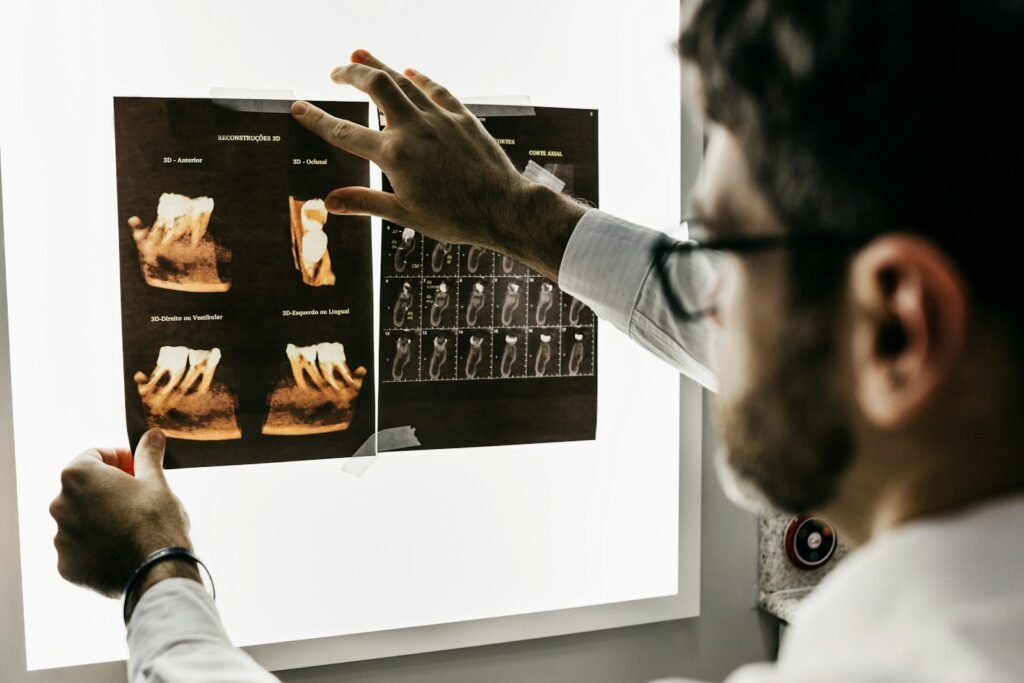
Aligner patients scrutinise results closely, looking for cases that resemble their own. A library of consistently photographed cases, with honest description of treatment length and what was involved, does more persuasive work than any copy.
Consistency matters as much as quantity. Cases shot under different lighting and angles invite suspicion, whereas a standardised approach reads as professional and lets patients compare fairly.
Most practices run both. Paid search fills the pipeline now, covered on our Invisalign Google Ads page, while content and rankings build. As organic visibility strengthens, paid spend can be reduced or redirected.
This also overlaps with broader cosmetic demand, covered on our cosmetic dentist SEO page. To see which aligner searches you could realistically win locally, get in touch.
We will review your aligner content, case evidence and rankings, then show you how to reduce reliance on paid clicks.
Aligner marketing has attracted justified criticism for overstating outcomes and understating commitment. Accuracy protects patients and the practice.
Content reflects the aligner systems and case types your practice actually treats rather than manufacturer marketing copy.
Claims about treatment duration, suitability and outcomes are written for review by your clinicians, since these vary substantially by case.
Provider experience, case volume and documented results are made visible so patients can assess capability rather than take it on trust.
We are explicit about wear time, retainers and refinements rather than presenting aligners as effortless, because unmet expectations damage both outcomes and reviews.
What practices ask about growing aligner cases.
Ask us anything about growing clear aligner treatment.
Both initially, then rebalance. Paid search fills the pipeline immediately, which matters if you have capacity now. But aligner clicks are expensive and stay expensive, so relying on them permanently means a rising cost per case. Building organic visibility and a case library changes the economics over time, and most practices run ads while that matures rather than choosing one.
Not on price or convenience, which you will lose. Compete on clinical assessment before treatment, monitoring during it, and accountability if teeth do not track as planned. Make it concrete rather than a general claim to be safer. Many patients have read about unsupervised treatment going wrong and are actively looking for a supervised alternative.
Ranges and monthly finance options, yes. Cost is the dominant barrier, and silence is generally read as unaffordable, quietly removing people who could have proceeded. Explaining what changes the price, such as case complexity and number of aligners, gives patients a framework rather than a single figure they will use only for comparison.
They are the deciding evidence for most aligner patients, who look specifically for cases resembling their own. Consistency matters as much as volume, since images shot under varying lighting and angles invite suspicion. A standardised documentation approach with proper consent produces a library that does more persuading than any amount of written content.
Suitability content, cost explanation, honest comparison with fixed braces, and the daily reality of wearing aligners. The practical questions, wearing them twenty two hours a day, removing them to eat, what happens if one is lost, are heavily searched and rarely answered honestly. Practices that cover them reach people during the long research phase.
Less than practices assume for search visibility, since patients rarely search by provider tier. It does help as reassurance once someone is on the page, particularly for complex cases. What matters more for ranking is content depth, local signals and reviews. Provider status is a credibility asset rather than an SEO one.
Several months at minimum, longer in competitive urban markets, because these are contested cosmetic terms. The decision cycle adds to it, since someone finding you now may enquire months later. This is why we recommend running paid search alongside, and why we measure over rolling periods rather than judging a calendar month.
Both, and they behave differently. Branded searches carry high intent and high competition. Generic aligner and teeth straightening searches are often less contested and reach people earlier in their research. Covering both captures the full decision cycle rather than only the people who already know which system they want.
Ask at completion, when patients are pleased with the result and the effort is fresh. Encourage them to mention the treatment specifically and roughly how long it took, since prospective patients look for reviews from people who had the same treatment. A generic five star review does far less work here than a detailed account of the process.
It can be, provided you have the clinical capability and capacity. The searches are competitive and the patients demanding, so a half committed approach rarely returns the investment. Practices that do well typically focus on it deliberately, build a genuine case library and address cost openly rather than treating aligners as one more service on a list.
Send us your details and we will review your aligner content, case evidence and rankings, then come back with how to build enquiries that do not depend on paid clicks.

Tell us about your aligner treatment and current visibility.