
Parents are not choosing a dentist. They are choosing who they trust with a frightened child, and they decide largely on reviews and atmosphere.
For pediatric dental practices and family practices growing child patient numbers.
Won before the first visit
Siblings and years of care
Pediatric dental marketing is aimed entirely at parents, who are making an emotionally weighted decision on behalf of someone else. Their concerns are not clinical in the usual sense. They want to know whether their child will be frightened, whether the team is patient, and whether the practice will handle it well if things go badly.
That makes atmosphere, reviews from other parents and evidence of how you treat anxious children more persuasive than any description of your clinical capability.
The value of these patients is also unusual. A child who has a good first experience often stays for years, and siblings follow. Acquiring one family can mean a decade of appointments, which changes what an acquisition is worth.
The decision is emotional, heavily influenced by other parents, and rarely price led.
Parents are worried about their child being scared. Reassurance on that point matters more than technology or credentials.
Reviews mentioning nervous children and patient staff are read closely and carry disproportionate weight.
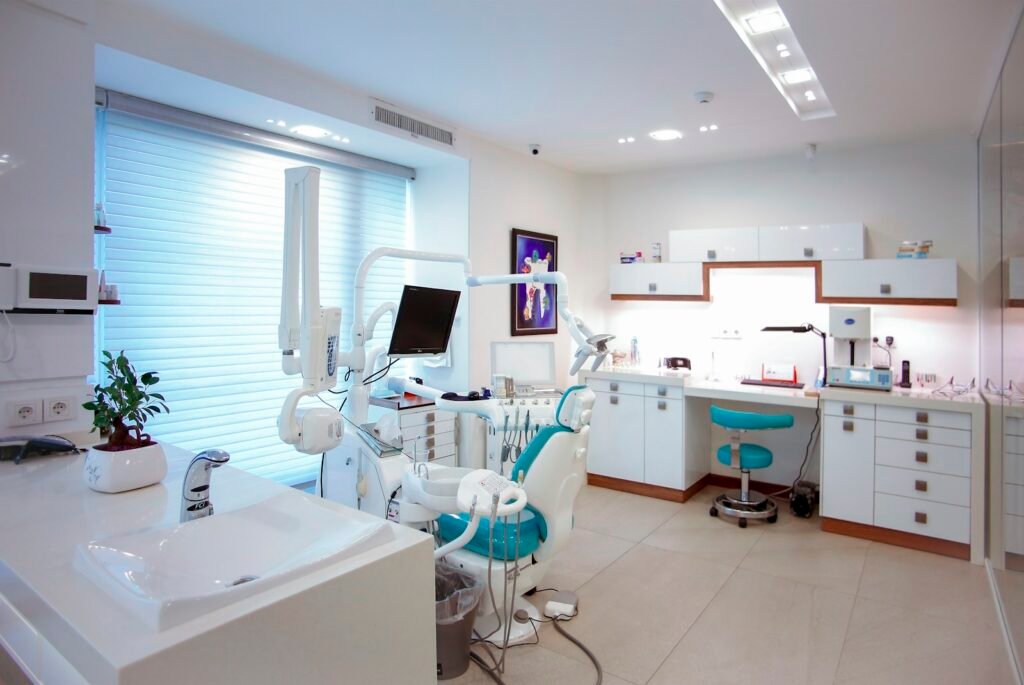
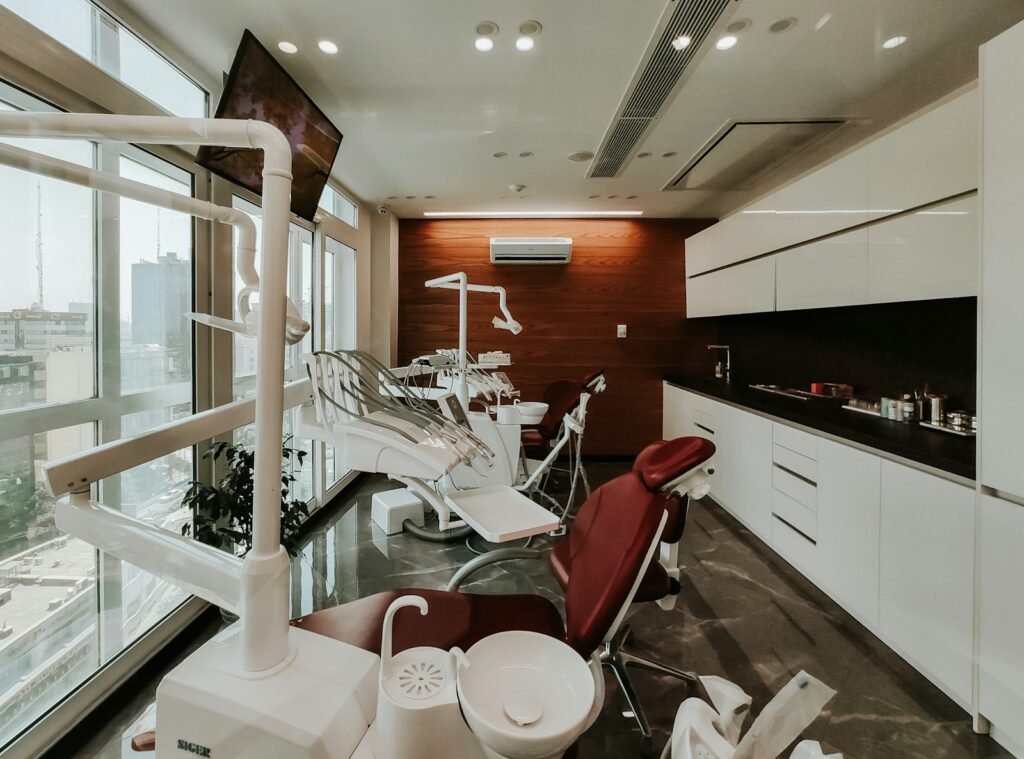
Parents look at photographs of the practice to judge whether it feels welcoming to a child before they call.
One good experience frequently brings siblings and sometimes the parents own care, so lifetime value is high.
School runs and working parents mean location and appointment timing weigh heavily on the choice.
Parents want to know about sedation, radiographs and how a difficult child is managed, and few sites address this.
Built around what parents actually assess before booking a first appointment.
Pages written for the parent, addressing first visits, anxious children, what happens if a child will not cooperate, and how you handle it.
Encouraging reviews that mention specific situations such as nervous children, since those are what other parents search for.
Photographs and video of the actual practice, because parents assess whether it feels right for a child before contacting you.
Map and local optimization targeting family searches, plus content acknowledging school schedules and appointment flexibility.
Clear answers on radiographs, sedation options and behaviour management, written for clinical review.
What happens at a first appointment and how to prepare a child, which is among the most searched pediatric dental topics.
Answer the parent worry first, then make the practice easy to find and choose.
We identify what parents in your area actually search and worry about before booking.
First visit, anxious child and safety content published and written for clinical review.
Guidance on photography and video that conveys atmosphere honestly.
Map optimization plus a review process that surfaces the experiences other parents look for.
Pediatric dental websites frequently make the same mistake: they are designed to appeal to children. Bright cartoons, playful fonts, characters. Children are not choosing the dentist and are rarely on the website at all.
The person reading is a parent, often anxious themselves, frequently with a bad childhood dental memory of their own, trying to work out whether this practice will handle their frightened seven year old with patience.
Among the most searched pediatric dental topics is what happens at a first dental visit and how to prepare a child for it. Parents want a sequence: what you will do, how long it takes, whether they can stay in the room, and what happens if the child refuses to open their mouth.
Content answering that plainly reaches parents at exactly the moment they are deciding, and it demonstrates the patience they are trying to assess.

Parents read pediatric dental reviews more closely than almost any other audience, and they look for specific situations: a nervous child, a first filling, an autistic child, a difficult appointment handled kindly.
Encouraging reviews that mention circumstances rather than generic praise is far more useful than raising the review count. Our reputation management page covers building that flow ethically.
Parents want to see the environment before bringing a child into it. Photographs of the real waiting area, the surgery and the team do more reassurance work than any written description of a child friendly approach.
Stock photography of models is recognised immediately and undermines trust. Genuine images, even imperfect ones, consistently perform better because they answer the question the parent is actually asking.
Pediatric practices frequently see children who are genuinely frightened, so our sedation dentistry marketing page covers a closely related audience. Families also transition into orthodontic treatment, covered on our orthodontic SEO page.
Because parents choose largely on local convenience and reviews, local SEO matters here more than most specialties. To see how your practice appears to a worried parent, get in touch.
We will review your site, reviews and local visibility the way a worried parent would, then show you the gaps.
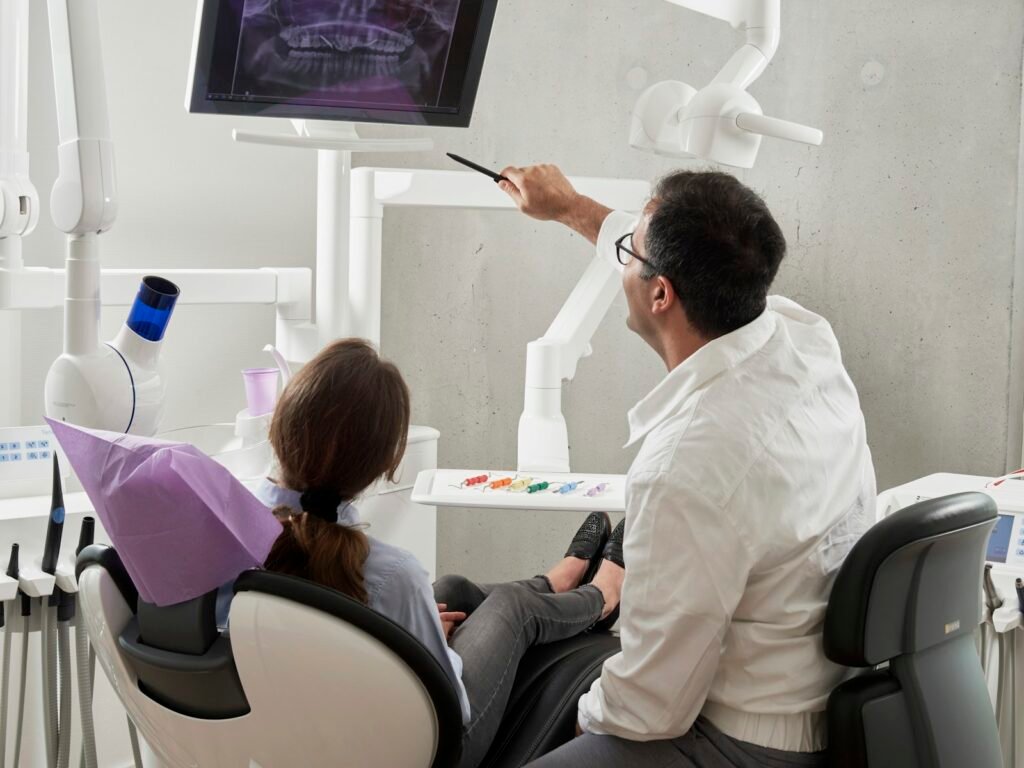
Content about treating children, radiographs and sedation must be accurate. Parents scrutinise this more closely than any other audience.
Content reflects how your practice actually treats children, including your behaviour management approach, rather than generic descriptions.
Anything describing radiographs, sedation or clinical treatment of children is written for review by your pediatric dentists.
Specialist pediatric training and experience are made visible, since parents specifically look for it when a child is anxious or has additional needs.
We describe how difficult appointments are handled honestly rather than implying every child sails through, because parents recognise unrealistic claims immediately.
What pediatric practices ask about reaching parents.
Ask us anything about reaching parents in your area.
No. Children are not choosing the dentist and are rarely on the site. The reader is a parent, often anxious themselves, trying to assess whether you will be patient with a frightened child. Cartoon heavy design can actually undermine that, reading as unserious to a parent worried about clinical care. Warm and reassuring works better than playful.
First visit expectations, how to prepare an anxious child, what happens if a child will not cooperate, whether radiographs are safe, and sedation options. These are practical, worried questions, and most pediatric sites answer none of them. Content addressing them directly reaches parents at the exact moment they are deciding who to call.
Extremely, and parents read them more carefully than most audiences. They look for specific situations they recognise: a nervous child, a first filling, a child with additional needs. Encouraging reviews that describe circumstances rather than generic praise is considerably more valuable than simply increasing the count.
Yes, and genuine ones. Parents want to see the environment before bringing a child into it, and stock photography is recognised immediately. Real images of the waiting area, surgery and team answer the question a parent is actually asking, which is whether this feels like somewhere their child will be comfortable.
Acknowledge it directly. Many parents had frightening dental experiences as children and are worried about passing that on. Content that recognises this and explains how you avoid creating those memories resonates strongly, and it is almost never addressed. It also tends to bring the parents own care to the practice.
Yes, because convenience genuinely constrains families. School runs, working parents and multiple children mean location and appointment timing weigh heavily. Map visibility and content acknowledging after school or early appointments matter more here than in specialties where patients will travel further for expertise.
More than a single appointment suggests. A child with a good first experience frequently stays for years, siblings follow, and parents often transfer their own care. Acquiring one family can represent a decade of appointments, which justifies more marketing investment per new patient than the first visit alone would support.
Yes. It is a common parental concern and rarely addressed properly. Explaining why radiographs are taken, how often, what protection is used and how exposure compares to everyday sources reassures parents who might otherwise decline or delay. This must be clinically reviewed, since it is genuine health information.
By saying explicitly that you treat them and describing how. Parents of children with autism, sensory sensitivities or additional needs search specifically for practices that can accommodate them, and they find very little. Content describing your approach, quieter appointment times or desensitisation visits reaches a family that has often struggled to find suitable care.
Local and review improvements can affect enquiries within weeks, since parents choose largely on proximity and social proof. Content answering first visit and anxiety questions builds over a few months. Pediatric terms are also generally less contested than cosmetic or implant searches, so visibility is often achievable more quickly.
Send us your details and we will review your site, reviews and local visibility the way a worried parent would, then come back with what is costing you families.

Tell us about your practice and the families you want to reach.